Utility-scale solar and outdoor plant cover kilometres of identical assets. A technician with a handheld thermal camera cannot cover that acreage at the cadence O&M contracts now expect.
The robot's job is triage: find hot cells, broken glass, vegetation encroachment and open doors, then deliver evidence a human can act on. It is not there to repair anything.
Requirements are stated with the reason they exist. A requirement without a reason is a preference, and preferences are how a shortlist quietly becomes a recommendation.
Farms are dusty by design; rain is when thermal anomalies also hide.
A farm loop is measured in kilometres, not warehouse aisles.
Hot spots without a photo of which panel are not actionable work orders.
Access roads are the easy part; the rows are where wheels and legs actually earn their keep.
A USB stick of JPEGs does not close tickets.
These are not weaknesses to trade off against a high score. Any one of them ends the conversation, which is why they sit outside the scoring entirely.
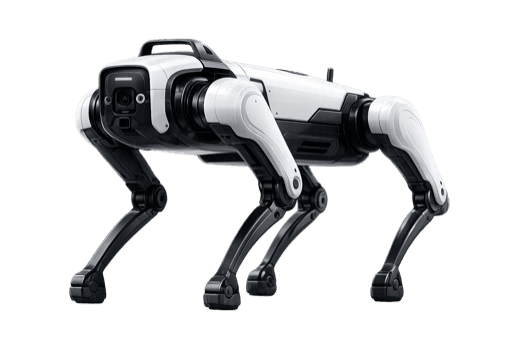
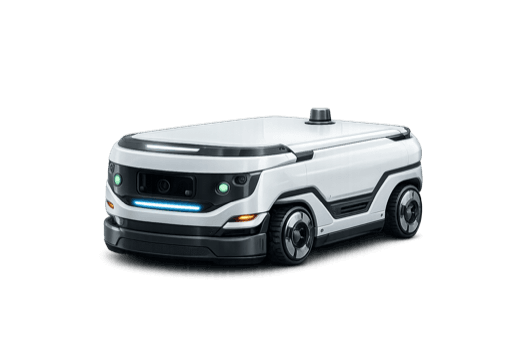
Shipping robots in our catalogue whose class matches this job, listed under the industrial weighting so you can scan them — not a recommendation. Unattended outdoor endurance and payload sensing matter more than dexterity.
Order follows the industrial profile score. Requirements and disqualifiers above are editorial; they do not remove robots from this list. How the score works
Compare candidatesThese are kept off the candidate list rather than mixed into it. A candidate list is something you can act on, and hardware nobody can order does not belong on one.
Pudu Robotics
Growing pilot base, thin fleet deployments. Drones still win open-sky thermal surveys on cost; ground robots win when you need under-panel, night, or no-fly zones. Buyers usually start with one site and one robot, not a national fleet.