Out-of-stocks and planogram errors are found late — by a customer or a weekly audit. Night crews with handheld scanners miss lanes and invent consistency that is not there.
A scanning robot turns inventory into a repeatable route: same aisles, same height bands, comparable images and detections night after night.
Requirements are stated with the reason they exist. A requirement without a reason is a preference, and preferences are how a shortlist quietly becomes a recommendation.
The product is detections, not a cute store tour video.
Stores are not warehouses; people and cages appear without a WMS update.
Partial coverage creates false confidence in on-shelf metrics.
A dashboard nobody in replenishment opens is a science project.
Security and night staff will reject a machine that sounds like a forklift.
These are not weaknesses to trade off against a high score. Any one of them ends the conversation, which is why they sit outside the scoring entirely.
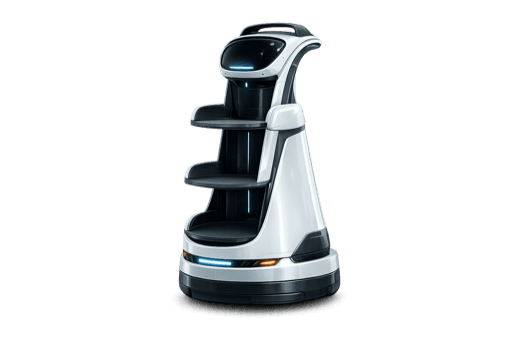
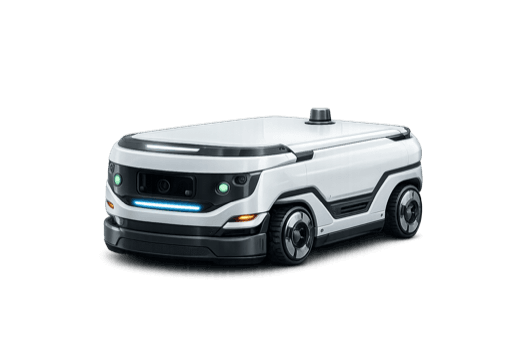
Shipping robots in our catalogue whose class matches this job, listed under the industrial weighting so you can scan them — not a recommendation. Scheduled coverage and data pipeline reliability matter more than research interfaces.
Order follows the industrial profile score. Requirements and disqualifiers above are editorial; they do not remove robots from this list. How the score works
Compare candidatesAttractive pilots, uneven scale. The robot is rarely the hard part — label quality, SKU masters and who owns the exception workflow decide whether scans become orders. Grocery chains that win treat it as a data product with a robot attached.