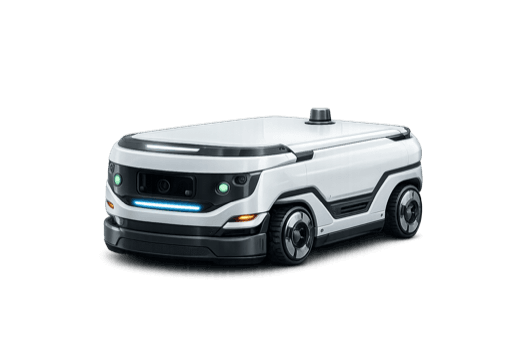
Factory yards and laydown areas generate endless short outdoor hauls: stillages from goods-in to line-side, empty stillages back, tooling between bays. A forklift works, but it is expensive labour doing a conveyor's job under sky.
The platform must survive weather, grit and GPS-denied pockets between buildings, then integrate with the same WMS or MES the indoor AMRs already talk to — otherwise you have bought a second logistics island.
Requirements are stated with the reason they exist. A requirement without a reason is a preference, and preferences are how a shortlist quietly becomes a recommendation.
Yards do not pause for drizzle, and wet decks are when slips happen.
Brochure flat floors end at the shutter door.
Tall sheds and metal stock kill GPS; the robot still has to know which lane it is in.
A tote AMR sold into a pallet yard is a mismatch you discover on day one.
One robot is a pilot; ten robots sharing a yard need a traffic manager that understands outdoor geometry.
These are not weaknesses to trade off against a high score. Any one of them ends the conversation, which is why they sit outside the scoring entirely.
Shipping robots in our catalogue whose class matches this job, listed under the industrial weighting so you can scan them — not a recommendation. Fleet uptime outdoors and integration with existing logistics systems decide the buy, not peak payload on a dry demo day.
Order follows the industrial profile score. Requirements and disqualifiers above are editorial; they do not remove robots from this list. How the score works
Compare candidatesDeployed where the yard is owned and the loops are fixed — automotive compounds and some ports more than open logistics parks. The hard part is usually mapping change: a yard that rearranges weekly eats localisation budgets.