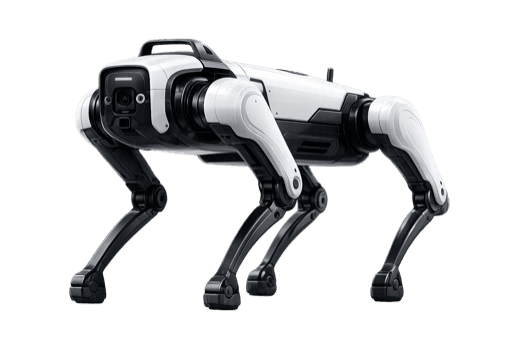
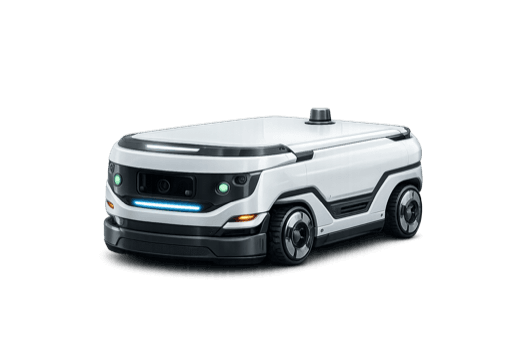
A farm manager cannot walk every hectare weekly. Scouting robots and UGVs take repeated passes with RGB, multispectral or spray payloads so decisions land on measured variability rather than a corner of the field that looked convenient.
The platform has to survive mud, dust and long days between service visits — and leave a data product the farm's existing software can ingest.
Requirements are stated with the reason they exist. A requirement without a reason is a preference, and preferences are how a shortlist quietly becomes a recommendation.
A platform that packs the bed or snaps plants has failed the job before the sensor starts.
Fields coat everything; service intervals are measured in mud, not kilometres.
Half a field per charge does not displace a scout on an ATV.
Generic navigation cameras do not produce agronomy decisions.
Store-and-forward beats freezing when LTE drops behind a hill.
These are not weaknesses to trade off against a high score. Any one of them ends the conversation, which is why they sit outside the scoring entirely.
Shipping robots in our catalogue whose class matches this job, listed under the industrial weighting so you can scan them — not a recommendation. Outdoor reliability across a season beats peak sensing on a dry demo plot.
Order follows the industrial profile score. Requirements and disqualifiers above are editorial; they do not remove robots from this list. How the score works
Compare candidatesThese are kept off the candidate list rather than mixed into it. A candidate list is something you can act on, and hardware nobody can order does not belong on one.
Pudu Robotics
More pilots than fleets. Autonomy in unstructured fields is harder than warehouse aisles, and the buyer is price-sensitive per hectare. Platforms that survive a wet spring and plug into existing farm management software are the ones that stick.